When people return after
destruction
WHAT
WILL
THEY
BUILD?
People returning after war and destruction rarely have access to an architect. The decisions they make about their new home will be made with whatever knowledge is closest to hand.
Architecture for Return exists to expand the range of spatial and architectural options available at the moment those decisions begin.
A decision library for post-conflict reconstruction
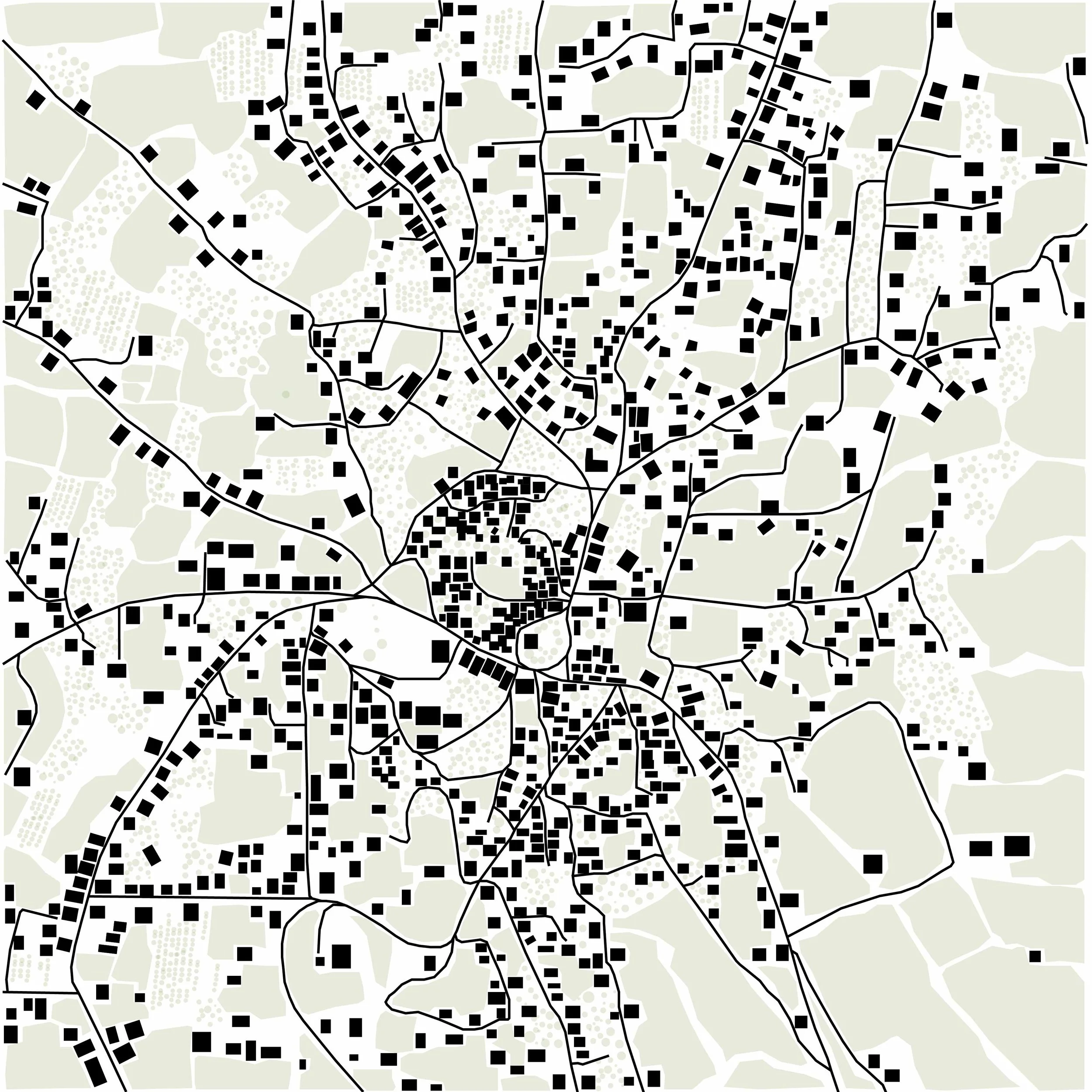
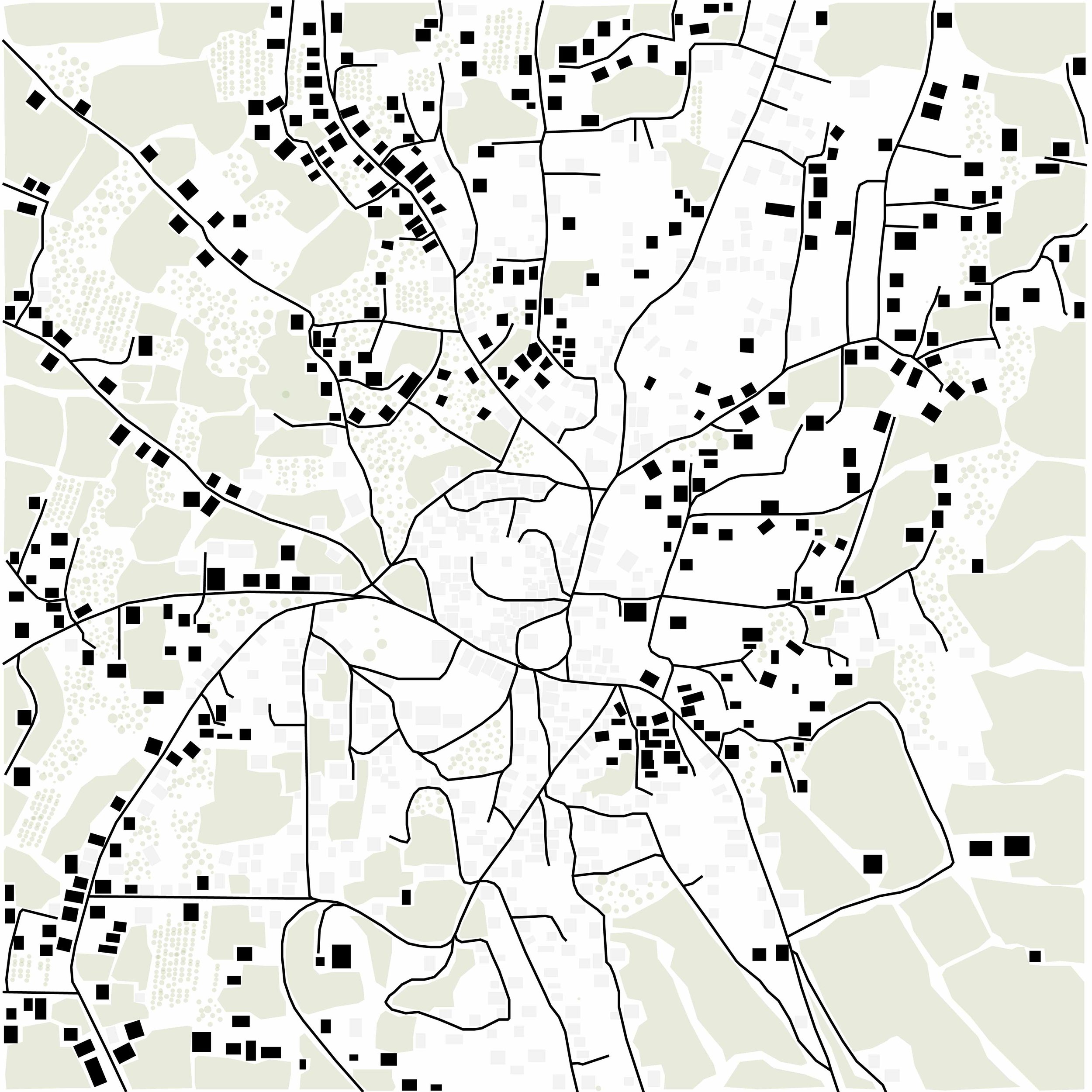
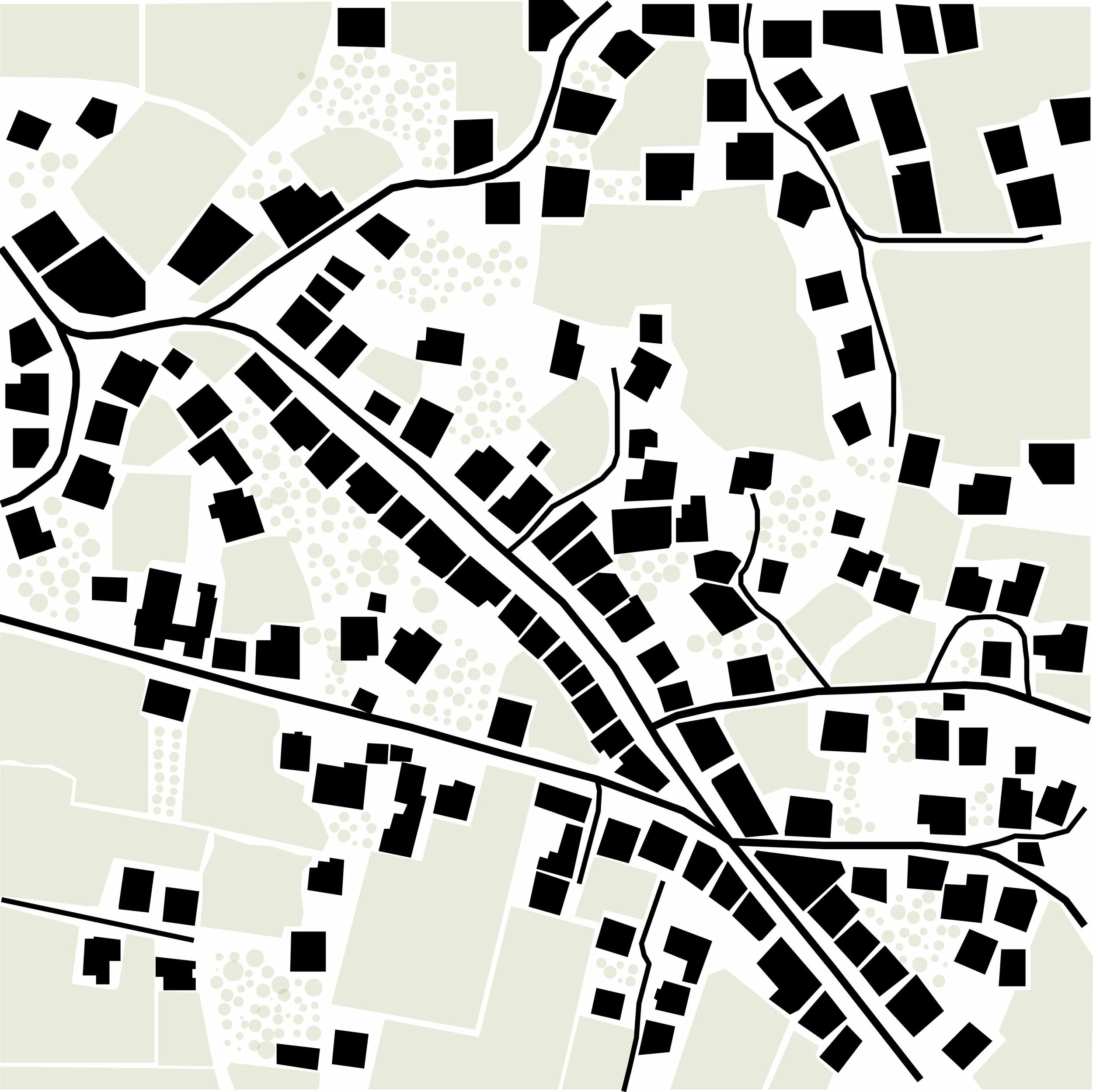
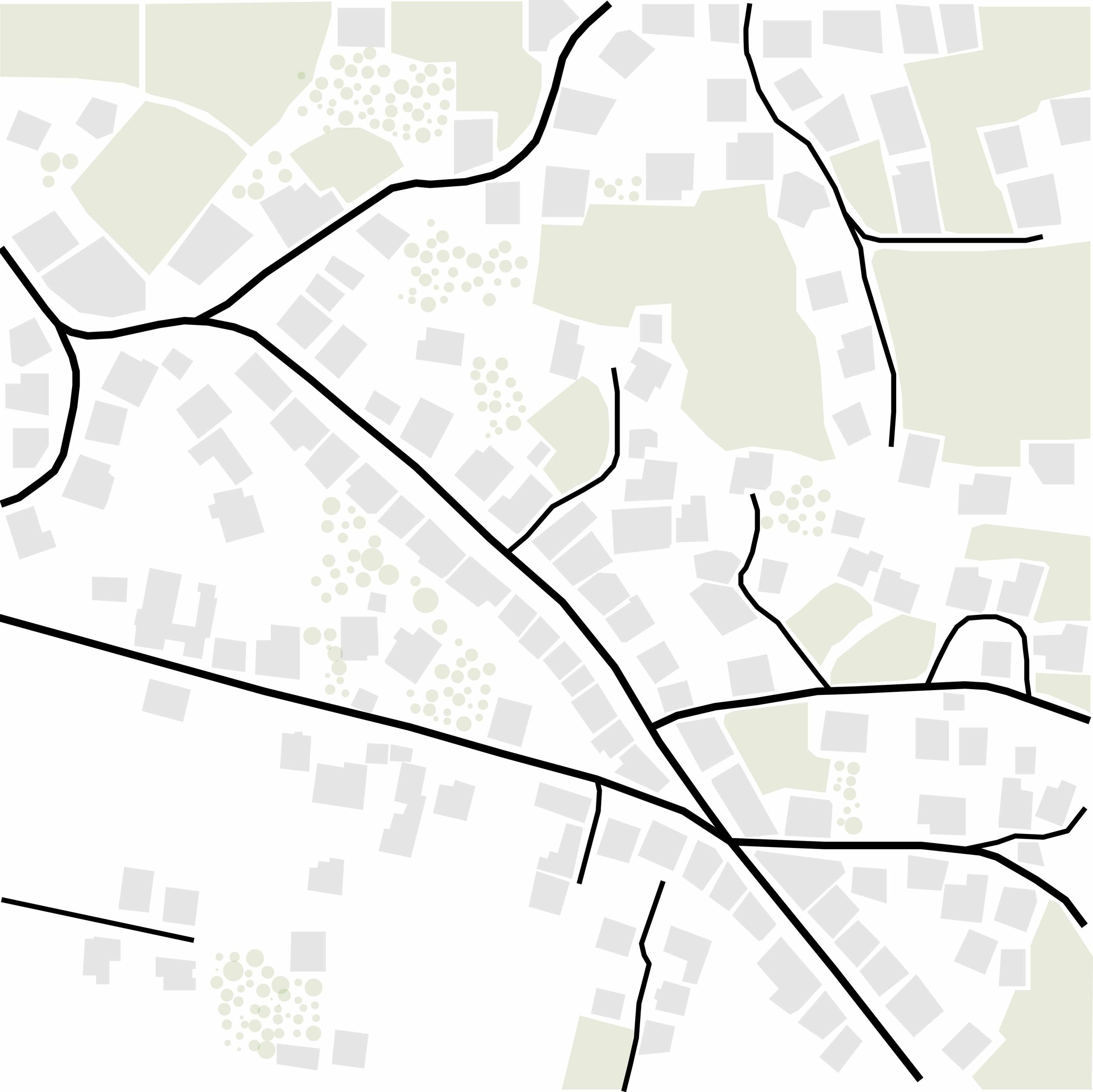
What satellite imagery shows is not destruction in the conventional sense. It is the removal of an entire built environment plot by plot, home by home.
Taybeh, South Lebanon
Ayta Al Shaab, South Lebanon
Taybeh and Ayta al-Shaab were not damaged. They were erased.
There are hundreds of villages just like them across South Lebanon.
The destruction is not abstract. It is specific, documented, and ongoing.
The question has never been whether people will rebuild
The question is what they will build, and with what knowledge
CONDITION Destruction in South Lebanon did not begin and end with a single event, and it did not stop at the ceasefire. More than 40,000 structures have been destroyed, approximately 25% of all buildings in the region. In some border towns, erasure exceed 70%. Behind each of those figures is a home someone lived in and will have to rebuild.
PATTERNS OF RETURN People will return. They already are, partially and cautiously, to land that is theirs and to the memory of what stood on it. When access becomes possible, households go back and begin to build. Not because conditions are adequate. Because return and rebuilding are not decisions people make. They are things people do.
MISSING LAYER A household returns to an erased plot with some savings, and the memory of what was once there. What is missing is not basic knowhow. It is the access to architectural thinking that turns constraint into a solid spatial response. That thinking has always been available to those who could afford it, but rarely to anyone else.
PROPOSITION When that gap is not filled, decisions default to what is cheapest and most familiar. These are not failures of intent. Yet the choices made at the household level today will shape how people live for generations. Architecture for Return exists to expand what is available before those decisions become permanent.
-
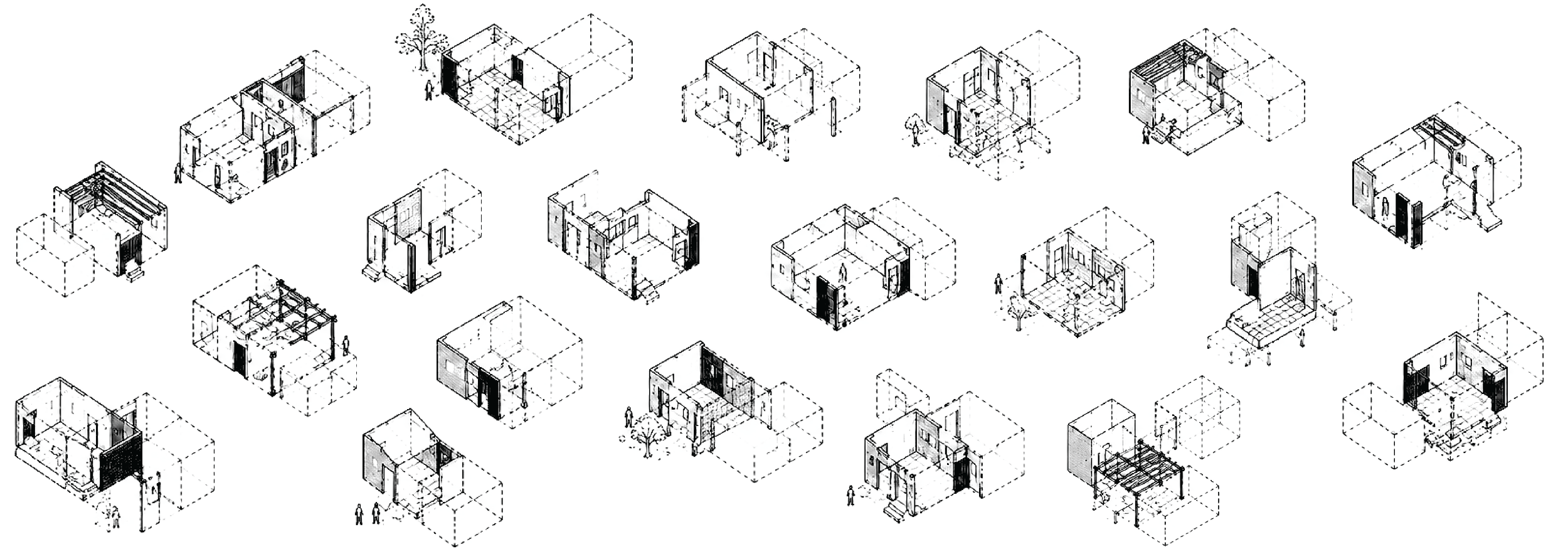
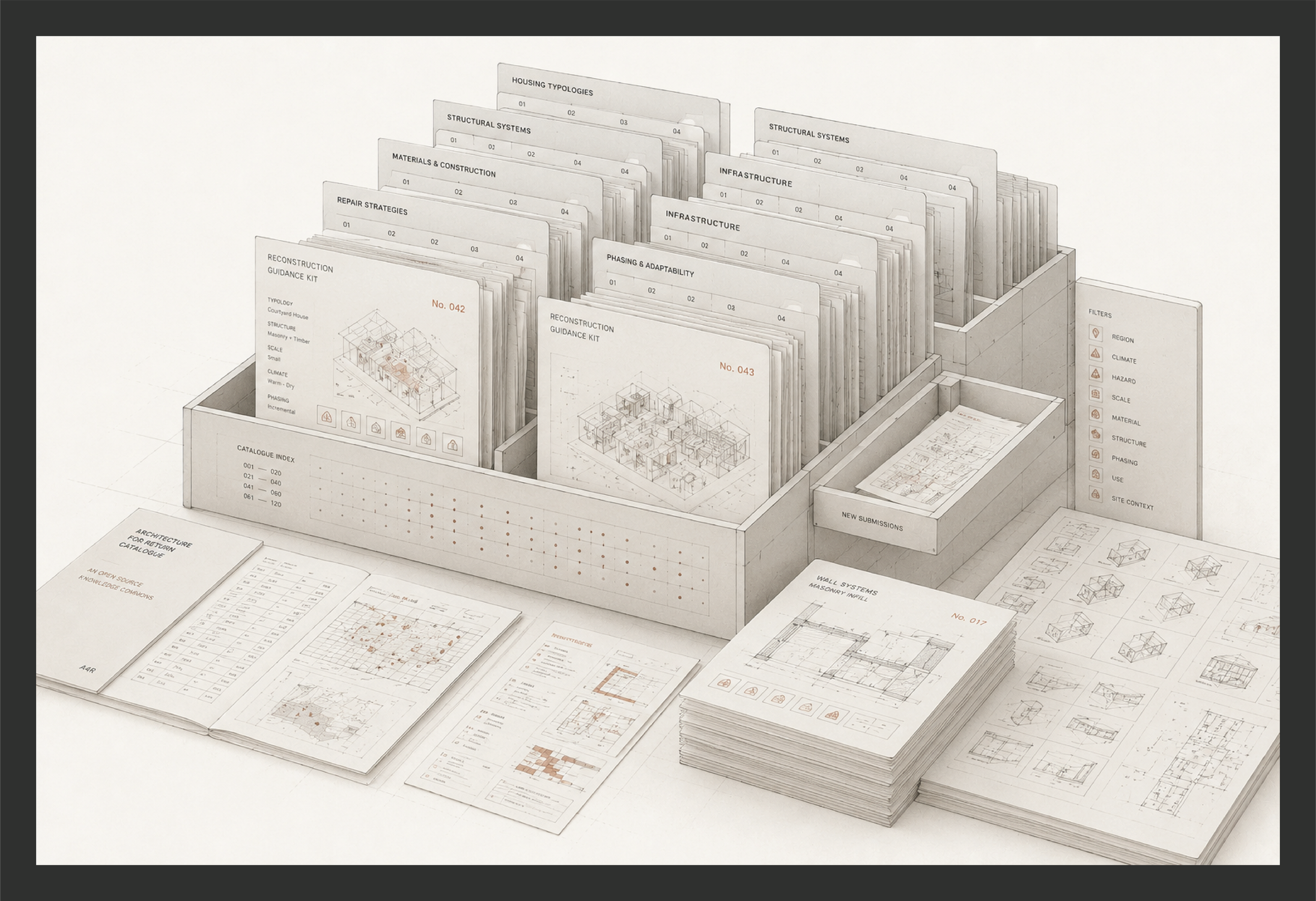
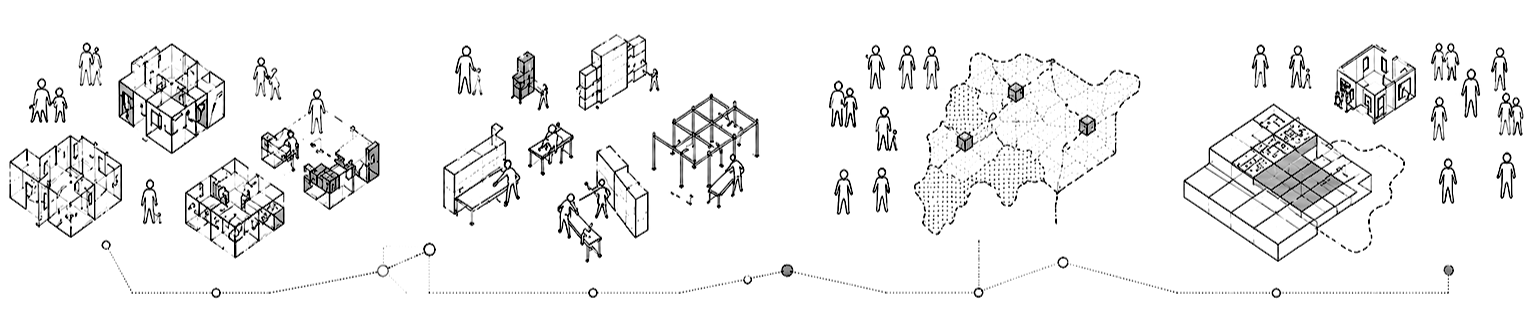
A kit is not a construction document and not a finished design. It is a practical, usable body of architectural thinking addressed to a specific rebuilding scenario: a budget, a plot, a household, a level of existing structure. It answers the questions a returning household actually faces. It is designed to be adapted, interpreted, and built differently by different hands in different places.
-
Architects, engineers, researchers, students, academic institutions, design firms, and NGOs. Anyone with the capacity to produce a kit that a non-expert can use. There is no preferred profile. Contributions are submitted through an open call, reviewed against a defined framework, and published with full credit to the contributor.
-
The households and local builders returning to south Lebanon to rebuild. NGO field workers advising communities. Municipalities managing reconstruction at scale. Anyone making building decisions without access to an architect.
-
The library is a place to search, explore, and find guidance. A household with a specific budget and plot can find answers to questions they did not know how to ask. The library meets people where they are, with whatever is on their mind, and gives them something to work with.
-
Every kit is open and freely available. The knowledge belongs to no one and to everyone. Contributors are credited in all contexts.
Architecture for Return is a decision library
An open, curated catalog of reconstruction guidance kits, developed by architects, engineers, and researchers from anywhere in the world, and made freely available to the households, builders, and communities rebuilding in South Lebanon.
OPEN CALL 2026
OPEN CALL 2026
The First Open Call The Call Is Open Before They Return Submit Your Kit
We are asking architects, engineers, researchers, and institutions to submit reconstruction guidance kits for the decision library. The window between now and the moment people begin rebuilding in large numbers is closing. The kits submitted in response to this call will not sit in an archive. They are being developed to inform real rebuilding decisions on the ground.