When people return after destruction

WHAT

WILL

THEY

BUILD?

Architecture for Return brings architectural ingenuity to the people who have never had access to it, when they need it the most. The returning household will rebuild. What they build (and how) is what this platform exists to influence.

A decision library for post-conflict reconstruction

OPEN CALL 2026
READ THE SITUATION

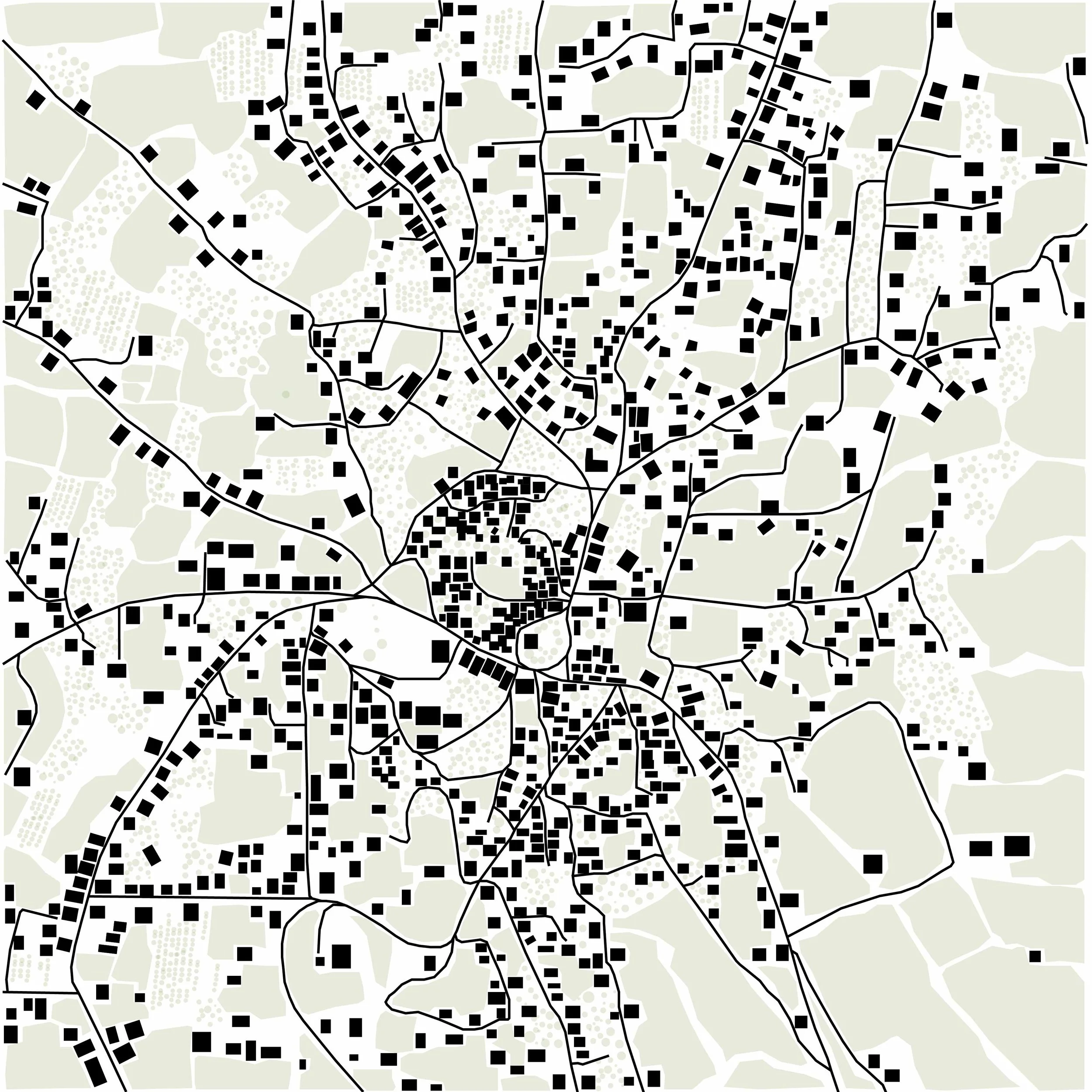
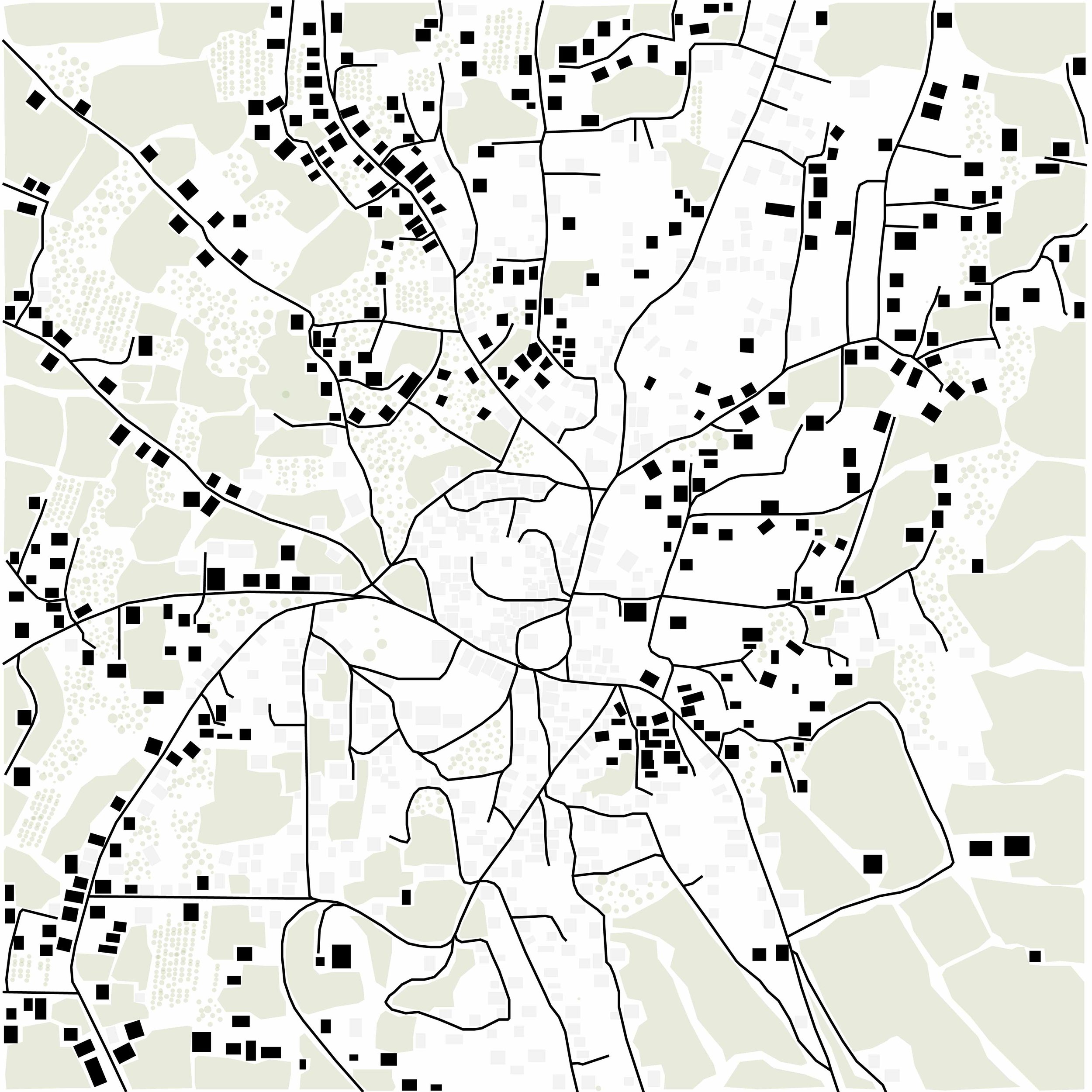
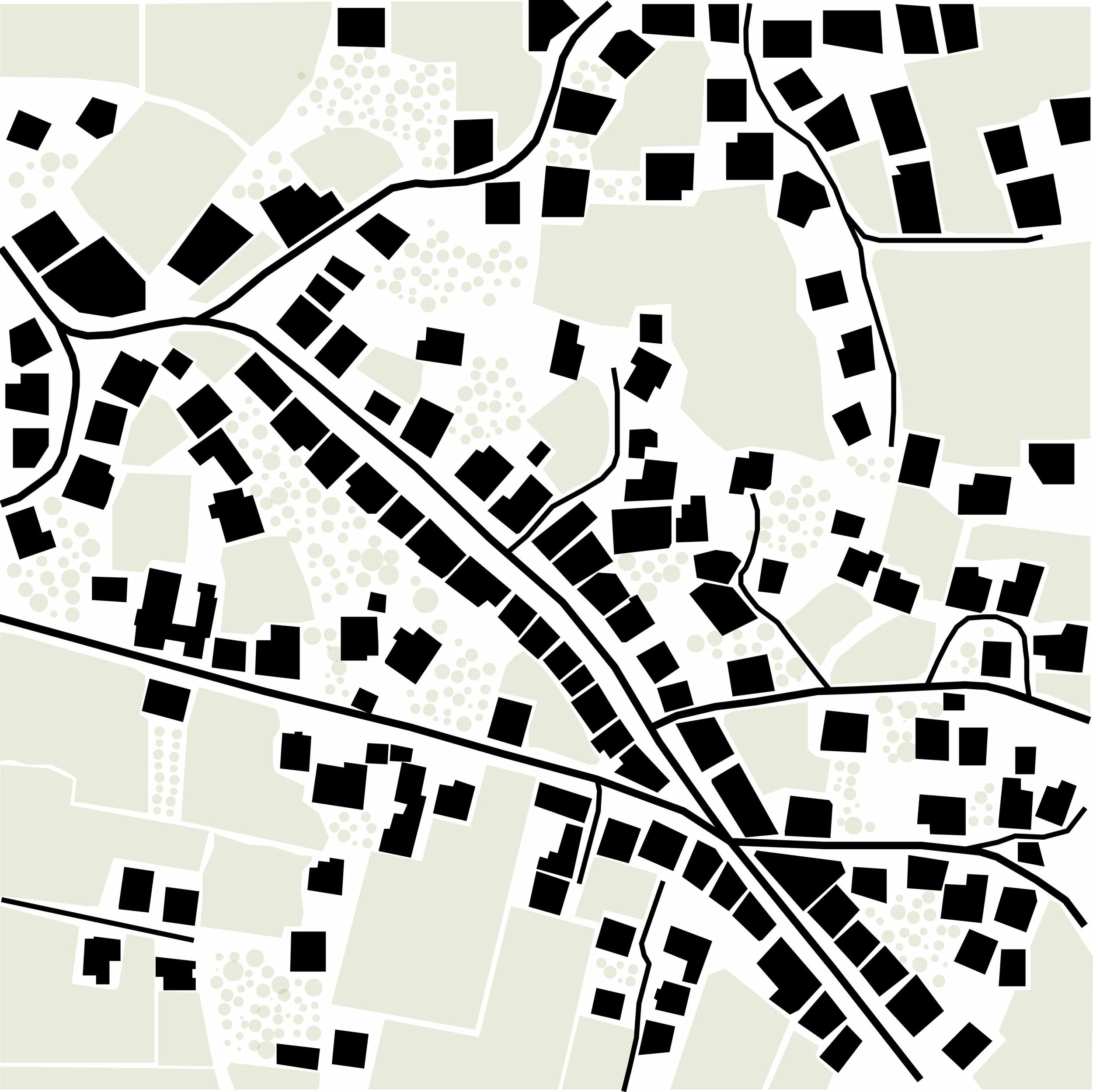
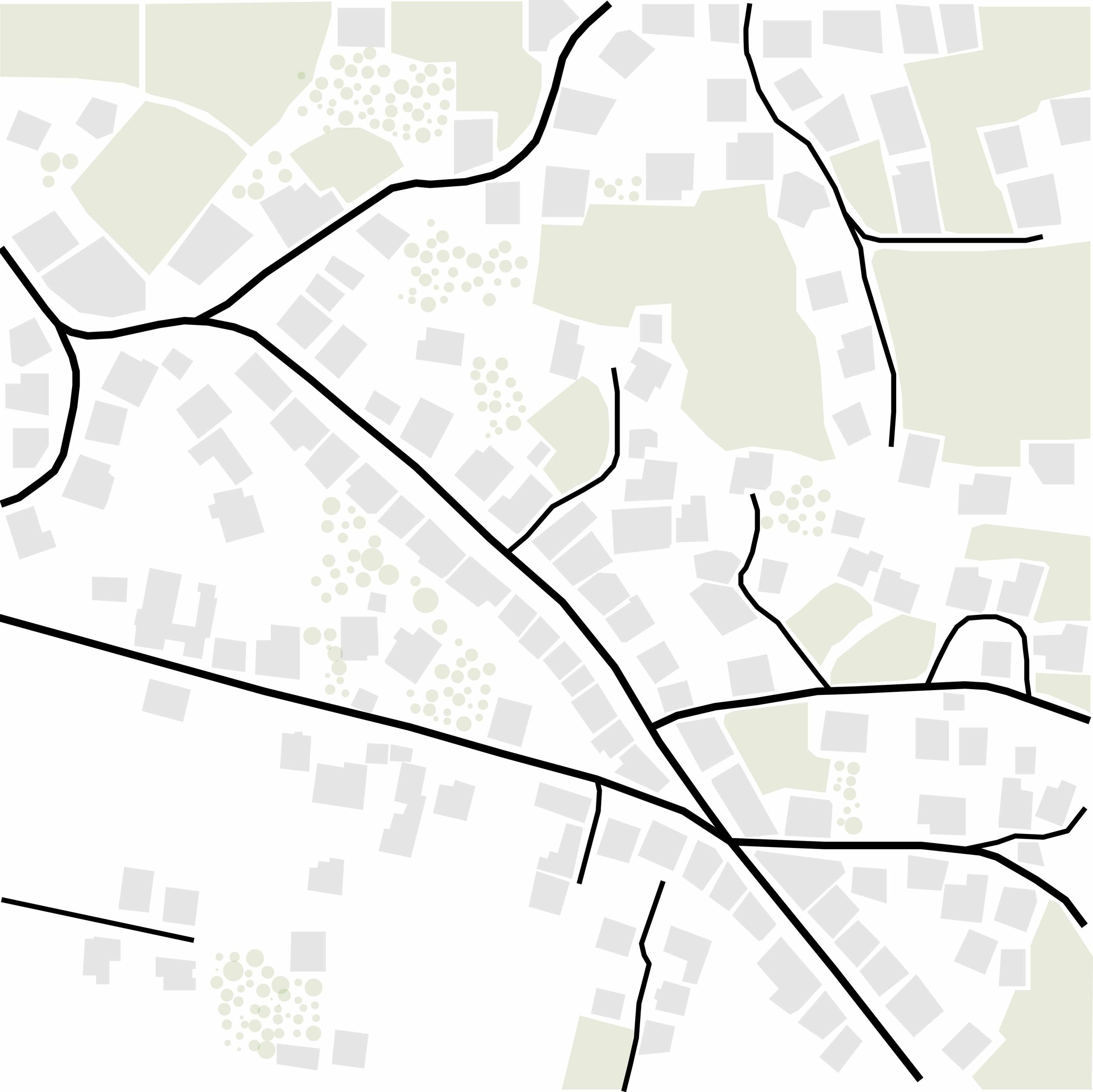
The destruction is not abstract. It is specific, documented, and ongoing. These two villages are the founding context of Architecture for Return, and the reason the library needs to exist before reconstruction begins.

Taybeh, South Lebanon

Ayta Al Shaab, South Lebanon

Two villages.. There are hundreds. The scale of destruction is not an abstraction. It is measurable, plot by plot, building by building. The decisions about what gets rebuilt in their place will be made by the people who return.

The question has never been whether people will rebuild. The question is what they will build, and with what knowledge

THE CONDITION Destruction in south Lebanon did not begin and end with a single event. More than 40,000 structures have been destroyed (approximately 25 percent of all buildings in the region). In some border municipalities, the figure exceeds 70 percent. The destruction did not stop at the ceasefire. It is still consistent and ongoing.

THE BEHAVIOR People will return. They already are. Partially and cautiously, they are. Generally, when access becomes possible, households return to their land and they begin to build. Not because conditions are adequate. Because it is theirs. This is not exceptional behavior. It is the documented pattern of post-conflict reconstruction everywhere, every time.

THE GAP Between institutional reconstruction frameworks and informal self-building, there is almost nothing. No accessible catalog of options calibrated to real budgets, real plots, real material availability. What has never reached the household level in this context is architectural ingenuity. The creative, spatial, and structural thinking that transforms a constraint into an opportunity.

THE CONSEQUENCE When the gap is not filled, decisions default to what is cheapest and what is most familiar. These are not failures of intent. The decisions being made now, at the household level, will shape how people live for generations. Architecture for Return exists to change what is available, before those decisions are locked in.

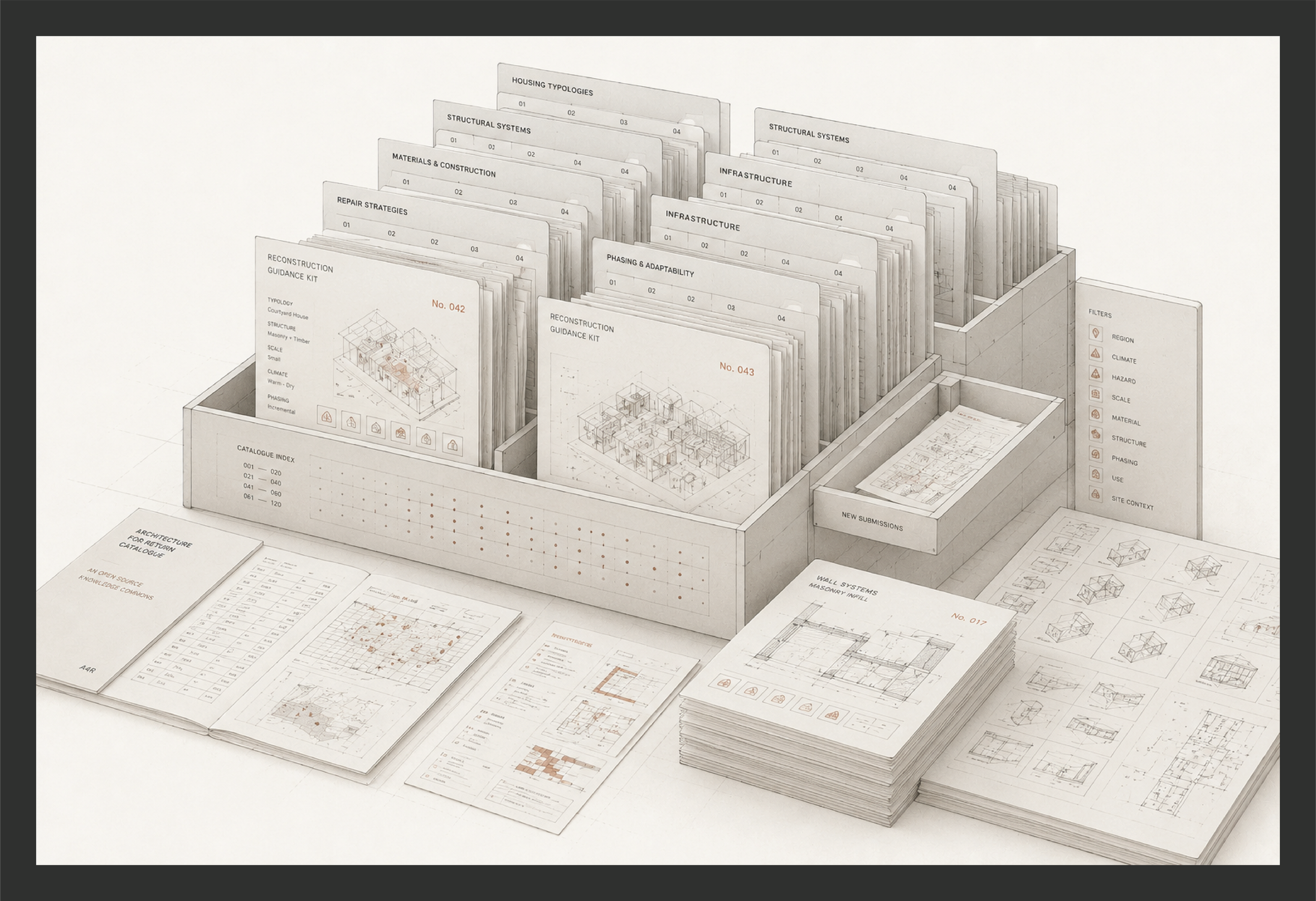
Architecture for Return is a decision library.

An open, curated catalog of reconstruction guidance kits, developed by architects, engineers, and researchers from anywhere in the world, and made freely available to the households, builders, and communities rebuilding in south Lebanon.

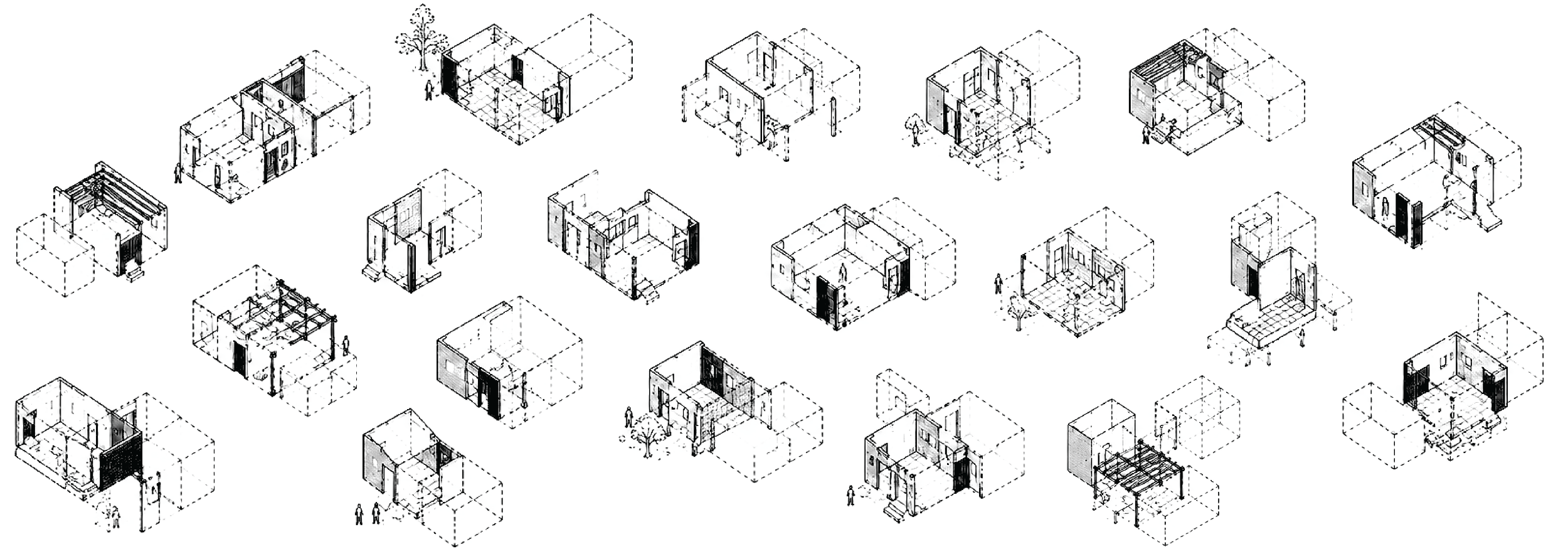
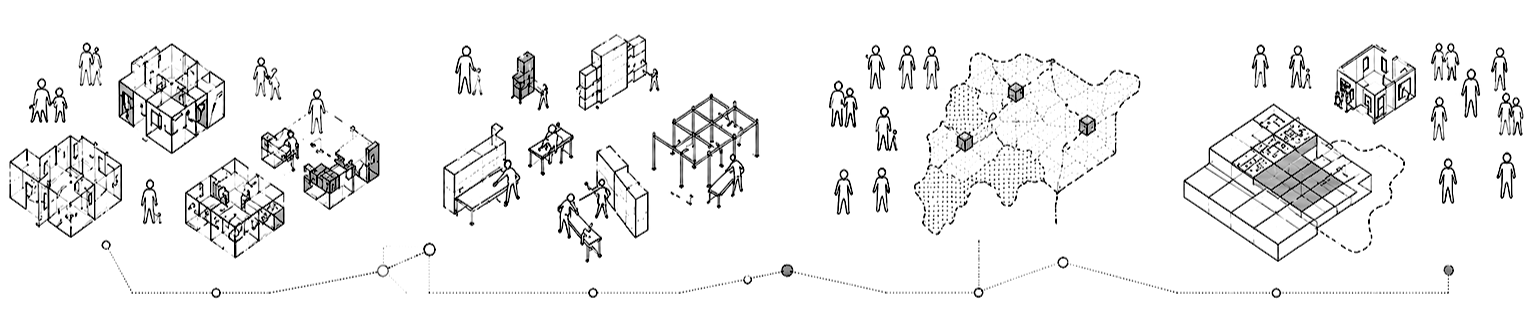
  • A kit is not a construction document and not a finished design. It is a practical, usable body of architectural thinking addressed to a specific rebuilding scenario — a budget range, a plot size, a household profile, a level of existing structure. It answers the questions a returning household actually faces. It is designed to be adapted, interpreted, and built differently by different hands in different places.

  • Architects, engineers, researchers, students, academic institutions, design firms, and NGOs. Anyone with the capacity to produce a kit that a non-expert can use. There is no preferred profile. Contributions are submitted through an open call, reviewed against a defined framework, and published with full credit to the contributor.

  • The households and local builders returning to south Lebanon to rebuild. NGO field workers advising communities. Municipalities managing reconstruction at scale. Anyone making building decisions without access to an architect.

  • Users filter by their constraints — budget, plot size, household profile, existing structure. The library returns relevant options. Two kits can be placed side by side for comparison. Each entry is self-contained and usable without additional expertise.

  • Every kit is open and freely available. The knowledge belongs to no one and to everyone. Contributors are credited in all contexts.

OPEN CALL 2026

OPEN CALL 2026

The First Open Call This Is the Call The Call Is Open Before They Return

The first open call launches summer 2026. We are asking architects, engineers, researchers, and institutions to submit reconstruction guidance kits for the decision library. The situation in south Lebanon is urgent. The window between now and the moment people begin rebuilding in large numbers is closing. The kits submitted in response to this call will not sit in an archive. They will be used.

OPEN CALL 2026

OPEN CALL 2026

Get Started